
Swiss Travel Pass
What the Swiss Travel Pass Covers — and Which One to Buy
Unlimited trains, boats and buses · 500+ free museums · Kids under 16 travel free
2026 fares from CHF 254 (3 days, 2nd class)
Last updated: July 29, 2026 · 2026 fares verified
The Swiss Travel Pass is the all-in-one ticket for Switzerland: unlimited travel on trains, boats and buses for 3, 4, 6, 8 or 15 consecutive days, free entry to more than 500 museums, and discounts of 25–50% on most mountain railways. One pass replaces dozens of individual tickets — and removes the single biggest source of first-timer confusion: which ticket do I need for which train?
This guide explains what the pass really covers, what it costs in 2026, how the Flex version differs, and how to pick the right number of days — so when you buy, you buy the right one.

Swiss Travel Pass at a glance
| What it is | One ticket for unlimited travel on Switzerland’s trains, boats and city transport |
| 2026 price | From CHF 254 (3 days, 2nd class) to CHF 787 (15 days, 1st class) |
| Durations | 3, 4, 6, 8 or 15 consecutive days — or Flex (same days, spread over one month) |
| Children | Under 6 free; ages 6–15 free with the Swiss Family Card + a parent’s pass |
| Museums | Free entry to 500+ museums nationwide |
| Mountains | Rigi, Stanserhorn, Stoos fully included · Jungfraujoch 25% off · most others up to 50% off |
| Ticket format | Digital QR code by email — no paper, no station pickup |
What the Swiss Travel Pass covers
On every valid day of your pass you get unlimited travel on the Swiss Travel System network:
- Trains — the entire SBB network plus the famous panoramic routes (Glacier Express, Bernina Express, GoldenPass, Gotthard Panorama). Travel is covered; premium panoramic trains charge a separate seat-reservation fee.
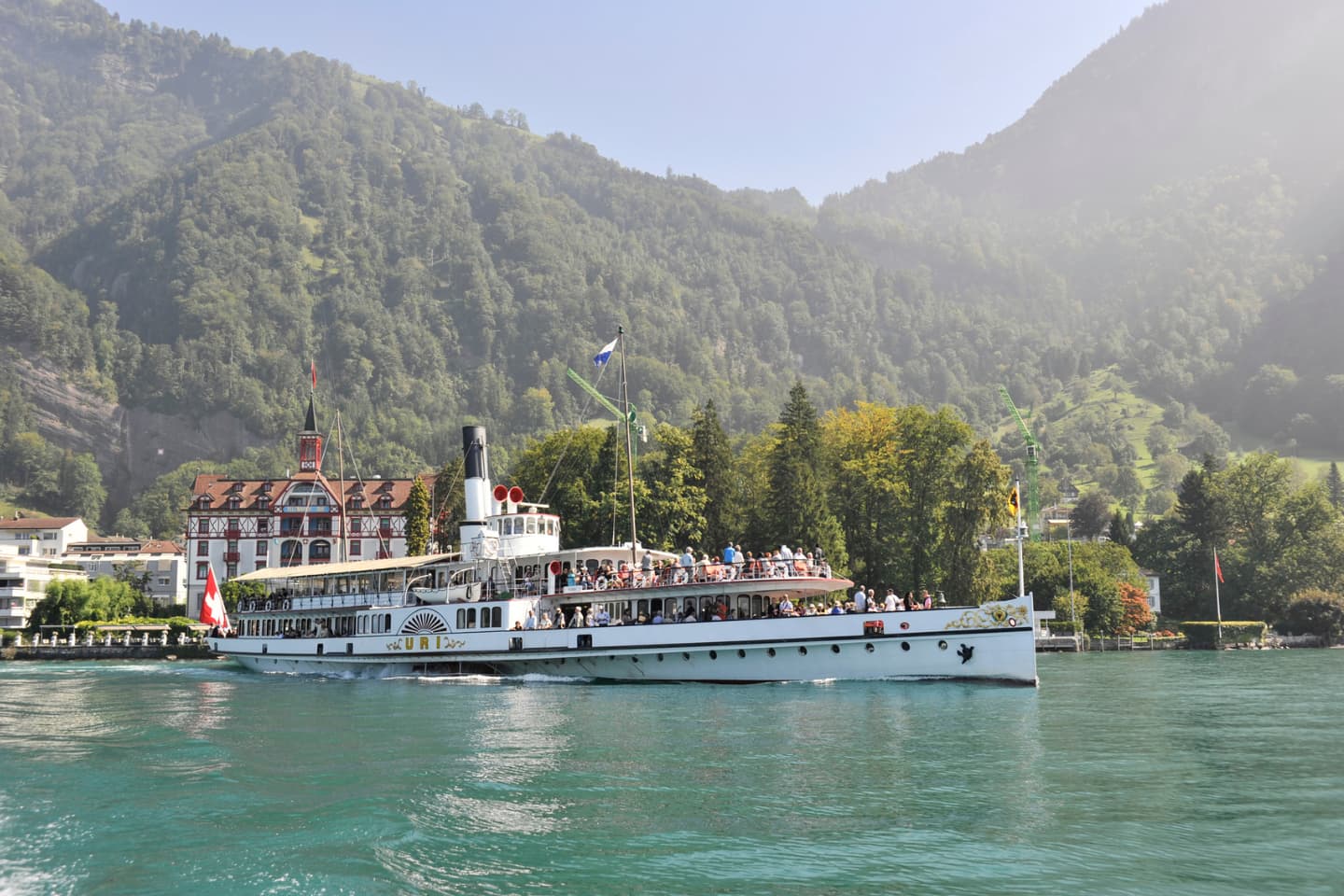
- Boats — scheduled cruises on Lake Lucerne, Lake Thun, Lake Brienz, Lake Geneva and more. See our guide to using the pass on boats and buses.
- City transport — buses and trams in 90+ Swiss towns, so you never buy a local ticket.
- 500+ museums — free entry across the country, including many you would have paid CHF 15–30 each to visit.
- Mountains — Rigi, Stanserhorn and Stoos are fully included. Jungfraujoch is 25% off, and most other mountain railways and cable cars are up to 50% off.
Swiss Travel Pass prices 2026
Adult fares in CHF. Always check the live price when you buy — these are reference fares, not a booking table.
| Duration | 2nd class | 1st class |
|---|---|---|
| 3 days | CHF 254 | CHF 405 |
| 4 days | CHF 309 | CHF 492 |
| 6 days | CHF 399 | CHF 634 |
| 8 days | CHF 439 | CHF 697 |
| 15 days | CHF 499 | CHF 787 |
Youth (16–25): 30% off all fares above. Children: under 6 always free; ages 6–15 travel free with the Swiss Family Card — see below.
Consecutive days or Flex?
The standard pass runs on consecutive days: an 8-day pass covers 8 days in a row. The Swiss Travel Pass Flex (from CHF 289) gives you the same number of travel days to use on any dates within one month — you activate each day before your first ride.
The honest rule: if you are touring Switzerland town-to-town, consecutive days is simpler and cheaper. Flex only wins when you will stay put for several days (a week in one ski resort, a work trip with weekend travel) and genuinely won’t ride on the in-between days.
How many days do you need?
- Trip of 3–5 days: a 3 or 4-day pass matching your travel days — or compare with the Half Fare Card, which can win on short trips with few train rides.
- One-week trip: the 8-day pass is the sweet spot — it costs only CHF 40 more than 6 days and covers arrival and departure days, including your airport trains.
- Two weeks: the 15-day pass at CHF 499 works out under CHF 34 per day — less than a single Zurich–Lucerne return.
First or second class?
Second class is comfortable, clean and how most Swiss travel — it is the right default. First class buys you quieter cars, wider seats and better odds of a window seat on busy panoramic routes in July–August. If the budget question is “1st class or two extra mountain excursions?”, take the mountains.
Kids travel free: the Swiss Family Card
This is the fact families miss most often. Children under 6 always travel free. Children aged 6–15 travel free with the Swiss Family Card — a free add-on when a parent holds a valid Swiss Travel Pass. A family of four with kids aged 8 and 12 pays for two adult passes and nothing more. Plan the route with our family Swiss Travel Pass itinerary, and consider sending your luggage ahead on hotel-change days.
Planning your trip around the pass
The pass rewards trips built around the rail network. The classic first-timer loop — Zurich, Lucerne, Interlaken, Zermatt — is entirely covered, and the Grand Train Tour of Switzerland strings the best panoramic routes into one circuit you can ride on a single 8-day pass.
How you actually use the pass (the part nobody explains)
The most common first-timer mistake happens after buying: people go to a booking site and try to “book a train with the pass.” There is nothing to book. The Swiss Travel Pass is your ticket for the whole network:
- Check times, don’t buy tickets. Download the free SBB app for timetables, platforms, delays and how busy a train is expected to be. You don’t need an account just to check connections — and never buy pass-covered trains on third-party ticket sites, they can’t apply your pass.
- Just board. Swiss stations have no fare gates. Walk to the platform, get on, sit in your class. A conductor checks tickets on board — show the QR code on your phone.
- No seat reservations on normal trains — for most routes they don’t even exist, and trains run every 30–60 minutes. The only trains that need a paid reservation are the premium panoramic ones (mandatory on the Glacier Express, recommended on the Bernina Express in season).
- Flex users: activate before you board. With the Flex pass you activate each travel day before your first ride, and a “day” is a calendar day, not 24 hours.
- Don’t confuse the names. The “SwissPass” is the red account card Swiss residents use; the Swiss Travel Pass is the visitor pass. When researching, search the full name — half the confusing answers online are about the wrong product.
Ready to buy? The pass is sold online with instant e-ticket delivery — your QR ticket arrives by email and works on your phone from day one. No station queue, no paper.
When the Swiss Travel Pass is the wrong buy
The pass is the default recommendation almost everywhere online, which is exactly why it is worth saying plainly: for some trips it is the more expensive choice. Three cases where we would point you elsewhere.
- A short trip with only a few journeys. Three or four days in Switzerland with two train rides and a lot of walking rarely reaches the value of a pass. A Half Fare Card at CHF 150 plus half-price tickets, or even plain point-to-point tickets, usually costs less.
- You are staying in one region. If your plan is a week in the Bernese Oberland with day walks rather than daily long-distance trains, most of what the pass covers is coverage you never use.
- Your trip is built around one or two big mountains. This one surprises people. On several mountain railways the Half Fare Card gives 50% off, while the Swiss Travel Pass gives 25–50% depending on the route. For a trip whose main cost is one expensive peak, the cheaper card can be the better card.
The honest counter-argument, since it matters: the pass often wins on convenience even when it does not win on price. One ticket, no per-journey decisions, no working out whether today’s rides justified the card. If you value not thinking about it, that is a real benefit and a legitimate reason to buy — just buy it knowing that is what you are paying for.
ภาษาไทย: โปรโมชั่น Swiss Travel Pass 2026 แถมวันเดินทางฟรี